Get A FREE PT Marketing Course: "How to Get Your First PT Client Worth S$545 When You Join Today

What Qualifications Do Singapore Gyms Look for When Hiring Personal Trainers?
Published on 19 October 2026
Singapore gyms assess more than a personal training certificate when hiring. Depending on the role, they may look for relevant fitness qualifications, current CPR/AED or first-aid certification, coaching experience, communication skills and professional conduct.
Requirements differ between employers. Some roles suit newly certified trainers, while others ask for evidence of client results and further professional development. Before choosing a course or applying for work, check what your intended employer expects.
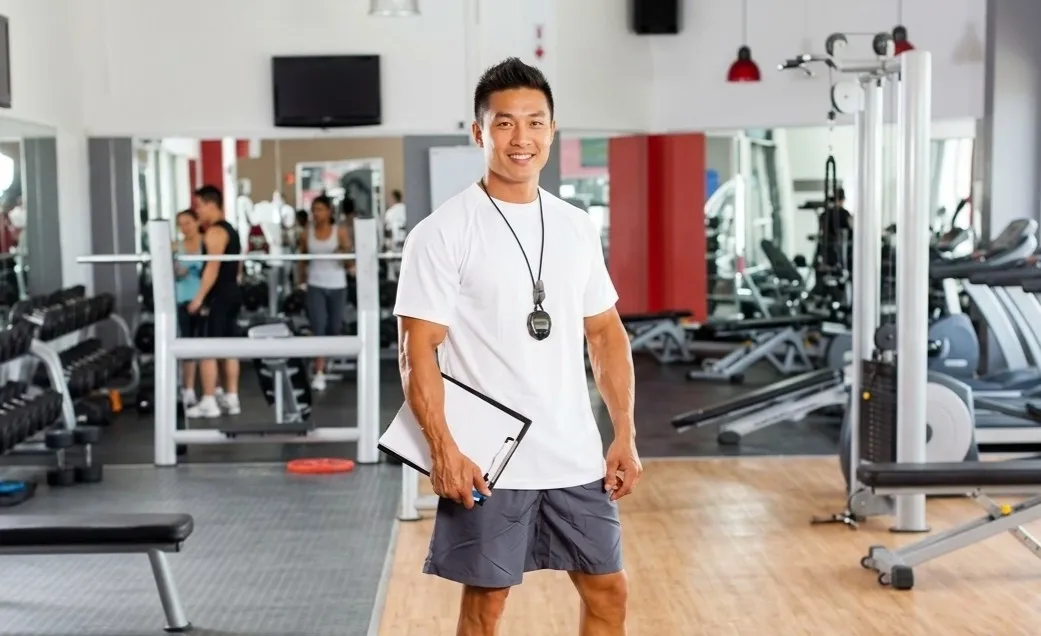
What Do Employers Look For?
| Area | What employers may assess |
|---|---|
| Fitness qualification | A relevant personal training certification or related qualification |
| Safety credentials | Current CPR/AED and, for some roles, first-aid certification |
| Coaching ability | Programme design, exercise instruction and technique correction |
| Experience | Practical coaching experience or evidence of client progress |
| Communication | Ability to explain, motivate and build rapport |
| Professionalism | Honesty, reliability, work ethic and willingness to develop |
These are areas to prepare for, rather than a single checklist that applies to every Singapore gym.
1. A Relevant Personal Training Qualification
A personal training qualification gives employers a way to assess your educational foundation. Check the certifications accepted for the role you want, as requirements can differ between vacancies.
At NCSF Singapore, our CPT course combines theory study, a hands-on practical workshop and a certification exam. We help you build knowledge in anatomy, assessment, exercise programming, nutrition and professional practice, alongside opportunities to apply it.
When preparing your application, state your qualification clearly and accurately. Include its current status and distinguish completed certifications from courses you are still studying.
Certification supports your application, but you also need to show how you use that knowledge.
2. CPR/AED and First-Aid Certification
Course enrolment requirements and employer requirements are separate. A gym may require current CPR/AED certification, first-aid certification or both before you begin working with clients.
Before applying, check:
Which safety qualifications the employer accepts.
Whether your certificates remain current.
When you need to complete any outstanding training.
If you are arranging training, explain that accurately in your application. Do not imply that you already hold a credential you have not completed.
3. Practical Coaching Skills
Employers need to understand how you will apply your knowledge on the gym floor.
Prepare to explain how you would design a suitable programme, demonstrate equipment use, observe technique and adjust an exercise to the individual.
A useful practice task is to create a sample session for a fictional healthy adult beginner. Be ready to explain:
Why you selected each exercise.
How you would demonstrate it.
What you would observe during the movement.
How you would adjust the difficulty.
When a concern requires referral.
Practise your explanations out loud. Knowing why an exercise is appropriate and communicating that clearly are connected skills.
Our hands-on workshop connects course theory with exercise instruction, assessment and programme design. Continue developing those skills after certification.
4. Experience and Evidence of Client Progress
Experience expectations vary. Some vacancies are suitable for new trainers, while others require an established coaching record.
If you are newly certified, look for opportunities that fit your experience and ask about induction, supervision and mentoring.
Prepare a small portfolio containing a sample programme, your reasoning and any genuine feedback you have permission to share. Label practice sessions accurately. If you have coached paying clients, explain their starting goals, how you approached their programme and what you learned.
Keep client information private and obtain permission before using photographs, feedback or results.
For more guidance, read Can You Become a Personal Trainer with No Experience in Singapore?
5. Communication and Professional Conduct
Technical knowledge needs to be understandable to the person you are coaching.
Practise explaining an exercise in plain language, listening to questions and checking whether the client understands. Be willing to acknowledge uncertainty and seek guidance when needed.
Professionalism also includes arriving prepared, keeping accurate records, respecting boundaries and following through on agreed actions.
Your application can demonstrate these qualities through clear writing, accurate information and thoughtful preparation. If you are changing careers, include relevant examples from teaching, customer service or other people-facing work.
Do You Need a Sports Science Degree?
A sports science degree is not a universal hiring requirement for personal trainer roles in Singapore. Depending on the vacancy, an employer may accept a relevant personal training certification, ask for a related academic qualification or consider both.
Check the specific role rather than assuming that a degree is always necessary—or that certification alone meets every requirement.
At NCSF Singapore, you do not need a university degree or sports science diploma to join our CPT course. We cover the relevant foundations during your studies.
You can explore those subjects in our course curriculum guide.
What About NREP Registration?
The National Registry of Exercise Professionals is another relevant part of Singapore’s fitness landscape.
NREP registration has its own criteria, including relevant fitness or exercise qualifications, valid Standard First Aid with CPR/AED, Safe Sport certification and a commitment to its professional code of ethics.
Registration is separate from earning a CPT credential. Check the current NREP criteria and ask whether registration is required for the role you are pursuing.
How to Prepare Your Application
Match your application to the vacancy rather than sending the same CV everywhere.
Before applying:
Name your relevant certification and safety credentials.
Describe your coaching experience accurately.
Include your availability and relevant transferable skills.
Prepare a sample session and explain your choices.
Ask about mentoring, working hours, client allocation and any sales expectations.
We provide NCSF Singapore graduates with a gym contact list to help them explore opportunities. You still need to check current vacancies, submit applications and meet the employer’s requirements.
For advice on organising your next steps, read our guide to starting a personal training side hustle.
FAQ
Can I apply for personal trainer jobs with NCSF certification?
Yes. Our NCSF certification is widely accepted by gyms in Singapore, and many of our graduates work as personal trainers locally. Employers may also consider your coaching skills, experience and any additional requirements for the role.
Can a newly certified trainer apply for gym jobs?
Look for suitable entry-level opportunities and ask about induction or mentoring. Prepare examples that show your understanding of programme design and exercise instruction, even if your professional experience is limited.
Is CPR/AED enough to meet safety requirements?
It depends on the role. Some employers also require first-aid certification. Check the exact credentials and validity requirements before applying.
Does getting certified guarantee employment?
No. Certification provides a foundation and supports your application. Hiring also depends on vacancies, practical skills, experience, availability and fit with the role.
Prepare for Your Personal Training Career with NCSF Singapore
If you are exploring certification, consider how the learning will prepare you for both the exam and practical coaching.
Register your interest in our CPT course on the homepage to receive our S$100/Hour Personal Training Business Blueprint. It covers career routes, portfolios, marketing and client retention.
The S$100/hour figure is an illustrative business example, not a guaranteed rate or income.



Earnings and income results are not guaranteed. Actual outcomes depend on individual effort, skill, and market conditions.
Copyright 2012 - 2026. NCSF Certified Personal Trainer Courses - Singapore. All Rights Reserved.
189 Upper Paya Lebar Road, Singapore 534870